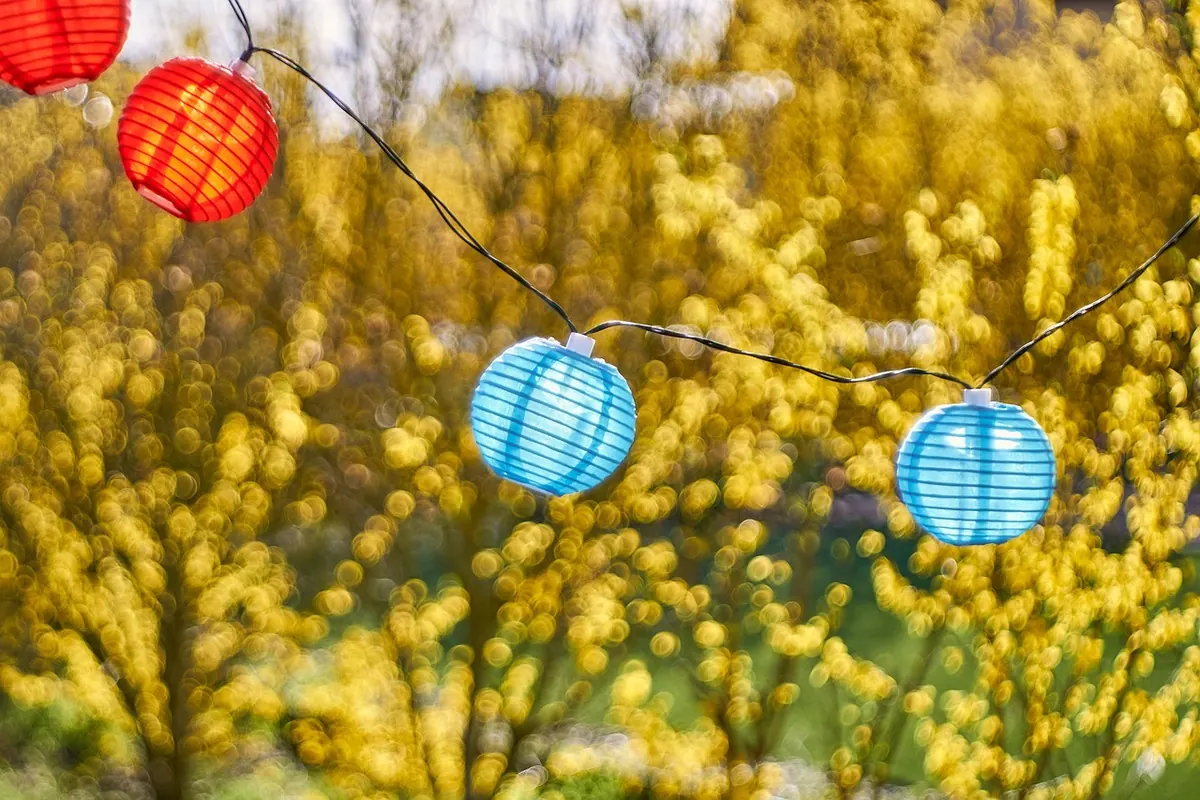
Garden Decor Lighting Ideas: Lanterns, String Lights, and Fire Bowls
A practical guide to lanterns, string lights and fire bowls: how to layer decorative garden lighting for...

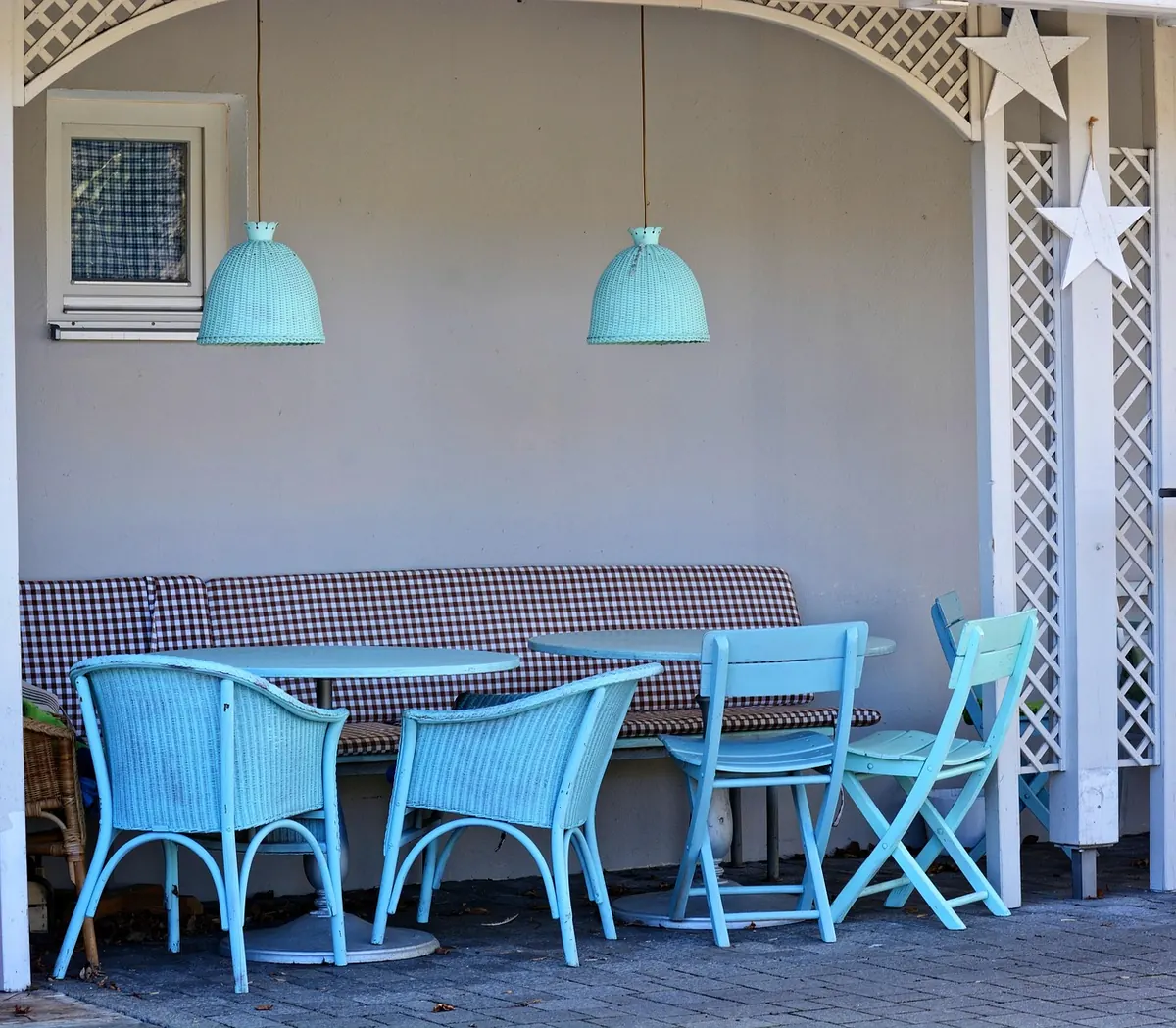
A garden changes after dark. A patio becomes a room, a border becomes a silhouette, and a pergola turns into a place to sit rather than a structure you walk under. The lamps that make those scenes work are rarely the ones that look most impressive in a showroom. They are the ones sized correctly for the space, aimed with some care, and chosen for the job each zone needs to do. Patios, borders, and pergolas ask different things of a light fixture. Matching the lamp to the purpose is the simplest way to avoid a garden that is either patchy and dim or bright enough to feel like a car park.
Before comparing styles, decide what each area must deliver. A patio usually needs comfortable light for sitting, eating, and moving between doors. A border needs accent light that reveals shape and texture without turning every shrub into a bright blob. A pergola needs overhead light that supports conversation and dining without glaring into faces or leaving the table in shadow.
Ask where people will look, where glare will land, and what can stay dark. Dark space is useful; it gives the eye rest and makes lit areas feel intentional. Walk the garden at night with a torch and note the views from windows, steps, and seating. That rough survey will tell you more than a catalogue photo.
On a patio, the most useful fixtures throw light downward or onto a wall, not straight into the eyes of people sitting nearby. Wall lights, low bollards, recessed deck lights, and a few well-shielded spotlights can create a layered scheme. One bright ceiling light is rarely kind; several lower-output sources are easier to live with and easier to dim. Warm white light, around 2700K to 3000K, suits most gardens and flatters timber, stone, and planting. Keep exposed fittings at IP65 or better, and check that the finish suits the wall or fence.
For dining, light the table softly from above or from the side, and keep the brightest source out of the seated sightline. A portable rechargeable lamp can be useful for flexible dining, provided it is designed for outdoor use and brought inside when not needed.
Borders need restraint. The aim is to show off trunks, leaf shapes, and the movement of grasses, not to illuminate every plant equally. Uplights at the base of a tree or large shrub can be effective, but keep them low, aim them into the canopy, and use a narrow beam so the light stays on the plant instead of spilling onto the lawn. For lower planting, small stake spots or path lights set back among the plants work better than fixtures lined up like soldiers along the edge.
Choose dark finishes—black, bronze, or weathered metal—so hardware disappears by day. Check beam angles: a narrow spot for a trunk, a wider flood for a mixed border, and a shielded fixture wherever the light might be seen from a window. Leave gaps. A border with three well-lit moments and areas of shadow will look deeper and more interesting than one lit end to end.
A pergola is a lighting opportunity and a puzzle. The structure gives you places to mount fixtures, but beams, rafters, and climbing plants also create shadows. Start with the table and the main seating area, then add ambient light for the surrounding space. Downlights fixed to the underside of beams can work well if they are positioned off-centre and aimed away from where people sit; two smaller fittings usually beat one powerful one.
Pendants need careful sizing. A large shade can look wonderful in a tall pergola and overpowering under a low beam. Before buying, make a cardboard template and hang it at the intended height, then sit at the table and check the sightline. Cables need a tidy route and fittings need to be suitable for outdoor use, even under a roof. If the wiring is not already in place, have it planned by a qualified electrician rather than adding cables as an afterthought.
Use warm, dimmable downlights for general light, a pendant or two for character over the table, and a separate small source for steps or a serving area. Keep the brightest lamp out of direct view from the main seats. If the pergola is open at the sides, check the light from the garden too; a fixture that looks discreet from below can be a bright dot from the lawn.
Lamp labels can be confusing because watts measure energy use, not brightness. Look for lumens, beam angle, colour temperature, and IP rating. As a working rule, use more low-output fixtures rather than fewer high-output ones. A border spotlight does not need to light the whole garden; it needs to light the shrub it is aimed at.
Beam angle matters as much as output. A narrow beam creates drama and shadow; a wide beam washes an area evenly and is easier for paths and patios. Colour temperature should be consistent across the garden. 2700K gives a warm, candle-like feel; 3000K is slightly crisper and still comfortable outdoors. Very cool white light can make planting look flat and can be harsh near seating. Check the IP rating: exposed fixtures, posts, and anything near irrigation should be properly sealed. Dimming is worth planning at the start, especially on a patio or pergola where light levels change from dinner to late evening.
Once each zone works on its own, check them together. A garden with six different lantern styles can feel busy even if each one is attractive. Repeating a family of fixtures—same metal finish, similar shade shape, consistent colour temperature—creates calm. Scale matters too. A path light the size of a jam jar may vanish beside a large pergola post, while an oversized lantern can dominate a small patio. Use the architecture as your guide: repeat fixtures along a wall, align bollards with paving joints, and keep heights consistent where fixtures are meant to read as a set. If you want one focal fitting, let it be the exception rather than one of many.
Before you order, run through a short checklist. It will save returns and second-guessing.
Photo: Antranias / Pixabay
A practical guide to lanterns, string lights and fire bowls: how to layer decorative garden lighting for...
Seven compact lighting strategies for courtyards and small city gardens, using vertical accents,...
Practical ways to conceal garden lights, transformers and cable runs using planting, mulch and edging — so...